Trustworthy Tech: How Ethics-First Technology is Elevating Women’s Sport
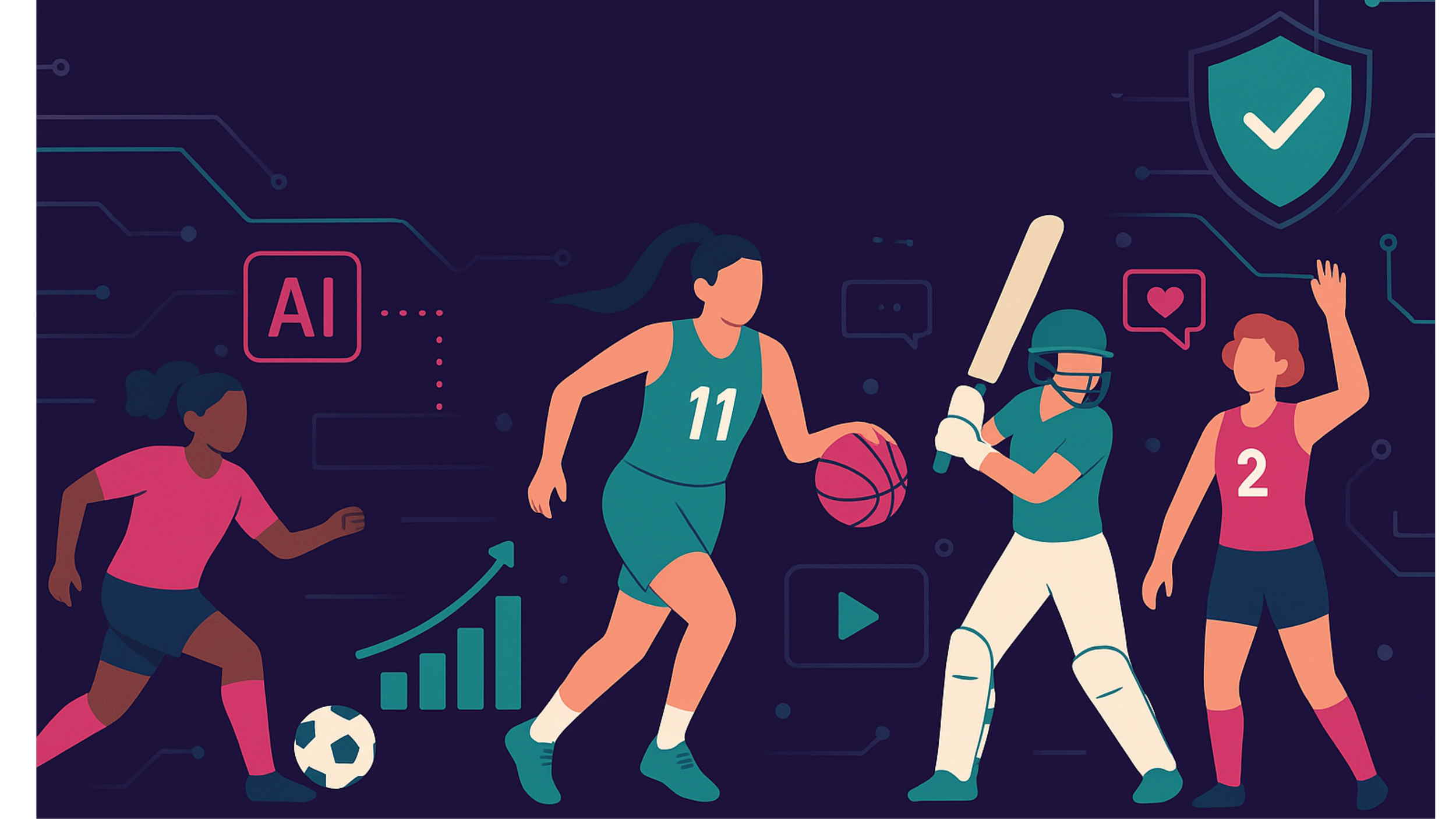
Women’s sport is a hot topic.
Once a small slice of the market, it is now attracting major investment and a growing, commercially viable and diverse fanbase. In Europe, record transfer fees and multi-club ownership models are making headlines in the football community, while prize money and viewership continue to rise at global and national events. In the United States, the Women’s National Basketball Association has added new teams and is on track to deliver a 52% revenue increase between 2022 and 2025.
Deloitte forecasts basketball and football will remain the highest-earning women’s sports worldwide in 2025, with commercial revenues contributing the largest share. Other disciplines, including cricket, rugby, and volleyball, are also gaining momentum. And brands and sponsors are taking notice. Fans are proving their commercial value too: supporters of women’s sport spend 92% more per person across categories from gaming to live events and are more likely to be high earners compared to the global population.
““A recent study found that policies at UK cricket, rugby, and football clubs are not adequately tailored to address the gendered abuse faced by women athletes, nor do they reflect the rapid growth and visibility of women’s professional leagues and sports. ””
Tech is Here to Play
Technology is also reshaping the landscape of women’s sport. Advances in performance research, equipment design, and injury prevention are elevating athletes on the field, while digital platforms are transforming fan and athlete engagement. Younger audiences are driving this shift, embracing direct-to-consumer content, short-form highlights, and interactive experiences. Social media and streaming platforms are no longer side channels but essential gateways:
20% more fans of women’s sport pay for streaming compared to fans of men’s sport
90% of Gen Z and millennial fans consume sports content primarily through social platforms.
Athletes themselves are building personal brands online, creating powerful year-round engagement opportunities.
The addition of AI-powered features is also gaining traction across the sports sector, with many fans welcoming these innovations.
From Recognition to Risk
Greater visibility has brought greater vulnerability. Online abuse is escalating, often targeting not only athletes but also the teams and brands they represent. Gender, race, ethnicity, and sexuality compound the risk, leaving women athletes from diverse backgrounds and LGBTQI+ players disproportionately exposed. Illegal streams, counterfeit merchandise, and digital scams further erode trust and siphon revenues from the ecosystem. For leagues and clubs still in their “start-up phase,” these risks threaten both commercial growth and fan loyalty.
While nearly 90% of governing bodies report pressure to act on online harm, only a third have formal plans in place. A recent study found that policies at UK cricket, rugby, and football clubs are not adequately tailored to address the gendered abuse faced by women athletes, nor do they reflect the rapid growth and visibility of women’s professional leagues and sports. Responsibility is often shifted onto athletes or external bodies, and research shows that filtering abusive comments is less effective for women athletes, as the abuse is harder to detect.
Ethics-First AI as a Growth Driver
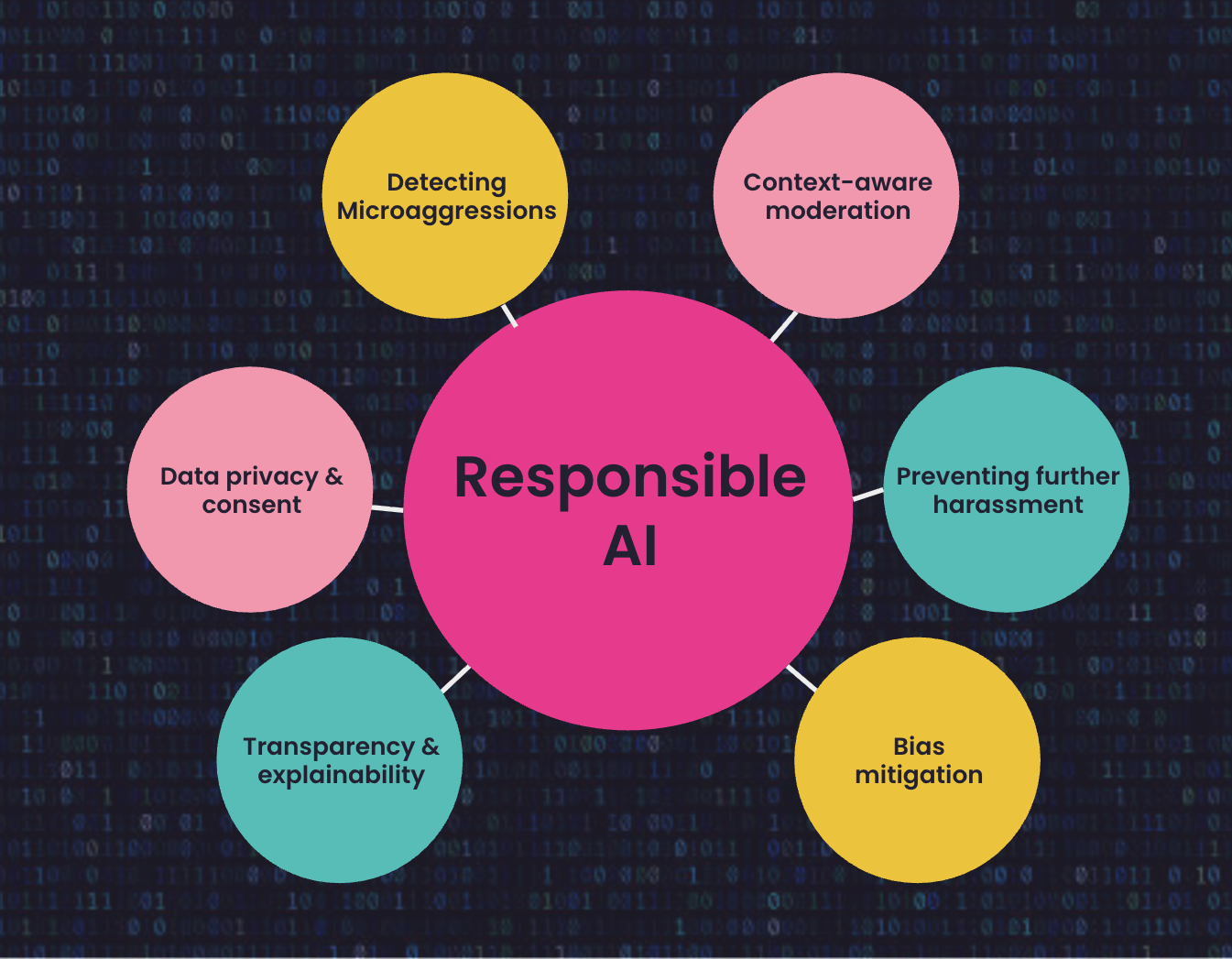
While technology has driven major advances in women’s sport, poorly designed algorithms still risk amplifying bias and sidelining underrepresented athletes. Ethical concerns around AI extend beyond bias to include transparency, privacy, data ethics, and accountability. This is why current discourse highlights the need for ethics-first technology, where human rights, digital safety, and fairness are built into every policy and tool.
At Areto Labs, these principles are not afterthoughts; they are embedded in every stage of our AI development and deployment. We work with leagues, clubs, and athletes to protect both reputation and revenue, conducting regular audits to reduce bias. Our software is built to moderate with nuance, flagging even subtle forms of gendered abuse, such as gender or racial microaggressions. It also combats broader digital threats, from spam and phishing to illicit streaming, betting scams, and piracy.
Still, we believe safeguarding cannot be achieved alone. That’s why we continue to invest in research and knowledge-sharing to support decision-making across the sports ecosystem. Encouragingly, international federations topping the latest SportOnSocial International Federations 2025 Report are already investing in AI-driven moderation tools to better protect athletes.
From Safeguarding to Sustainability
All indicators point upward, highlighting the significant commercial opportunity in women’s sports. In the United States, the market is projected to grow 250% over the next five years, generating $2.5 billion for rights holders. Although revenue per fan still lags behind men’s sports, technology is enabling more efficient investment and fan engagement. Safe and ethical digital environments not only protect athletes and brands from harm but also enhance fan experiences, strengthen sponsor confidence, and empower athletes to amplify their influence authentically.
Ultimately, prioritizing ethics in digital ecosystems is no longer just about risk management; it has become a decisive advantage for capturing the full commercial and cultural potential of women’s sports.
Future-Proofing the Women's Sport Economy
Ready to stop online abuse and safeguard your commercial growth? See firsthand how our ethics-first AI moderates nuanced threats, protects athlete reputation, and secures your digital revenue streams.