
From Abuse to Belonging: The New ESG Playbook for Sport
Imane Khelif, Vinícius Júnior, Jess Carter, Katie Boulter, and Shireen Limaye are athletes at the top of their game, but also recent targets of racist and sexist abuse. Sport is often praised as a universal language, yet the treatment of these players reveals another truth: it can exclude as much as it unites.
But what if protecting athletes from digital harassment delivered measurable returns beyond safety, strengthening fan engagement, boosting sponsor confidence, and enhancing overall environmental, social, and governance (ESG) performance? More importantly, what if we expanded our focus beyond individual protection to safeguarding sport's fundamental power to unite and inspire? By nurturing digital environments where athletes and fans alike experience genuine belonging, we could create networks where everyone thrives. But first, let’s assess the current digital playing field.
Hate Speech Trends
“Combating online abuse isn't just damage control; it's an opportunity to strengthen fan engagement, boost sponsor confidence, and build a more sustainable future for sport.”
Fan engagement doesn’t stop when the scoreboard goes dark. It shifts online as euphoric or disgruntled fans flood platforms like Facebook, X, Instagram, and TikTok to celebrate or vent. Referees, pundits, and athletes often find themselves the targets of trolling, ranging from body shaming to racist, sexist, and xenophobic abuse, and even death threats. A single defeat or an entire season can trigger waves of hostility directed at them. For many athletes, the toll is heavy: some retreat from digital spaces, distance themselves from fans and sponsors, or in the most severe cases, step away from sport entirely.
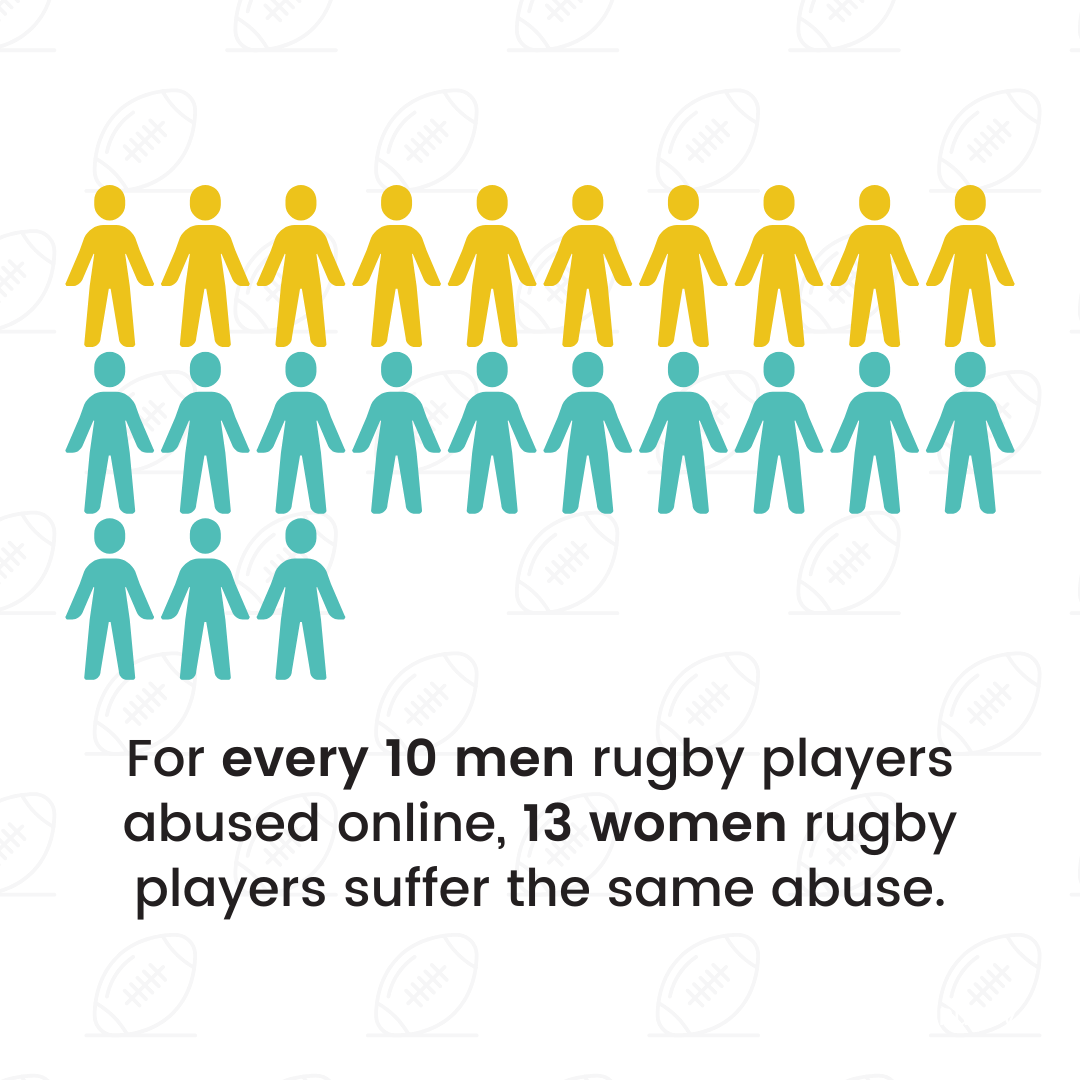
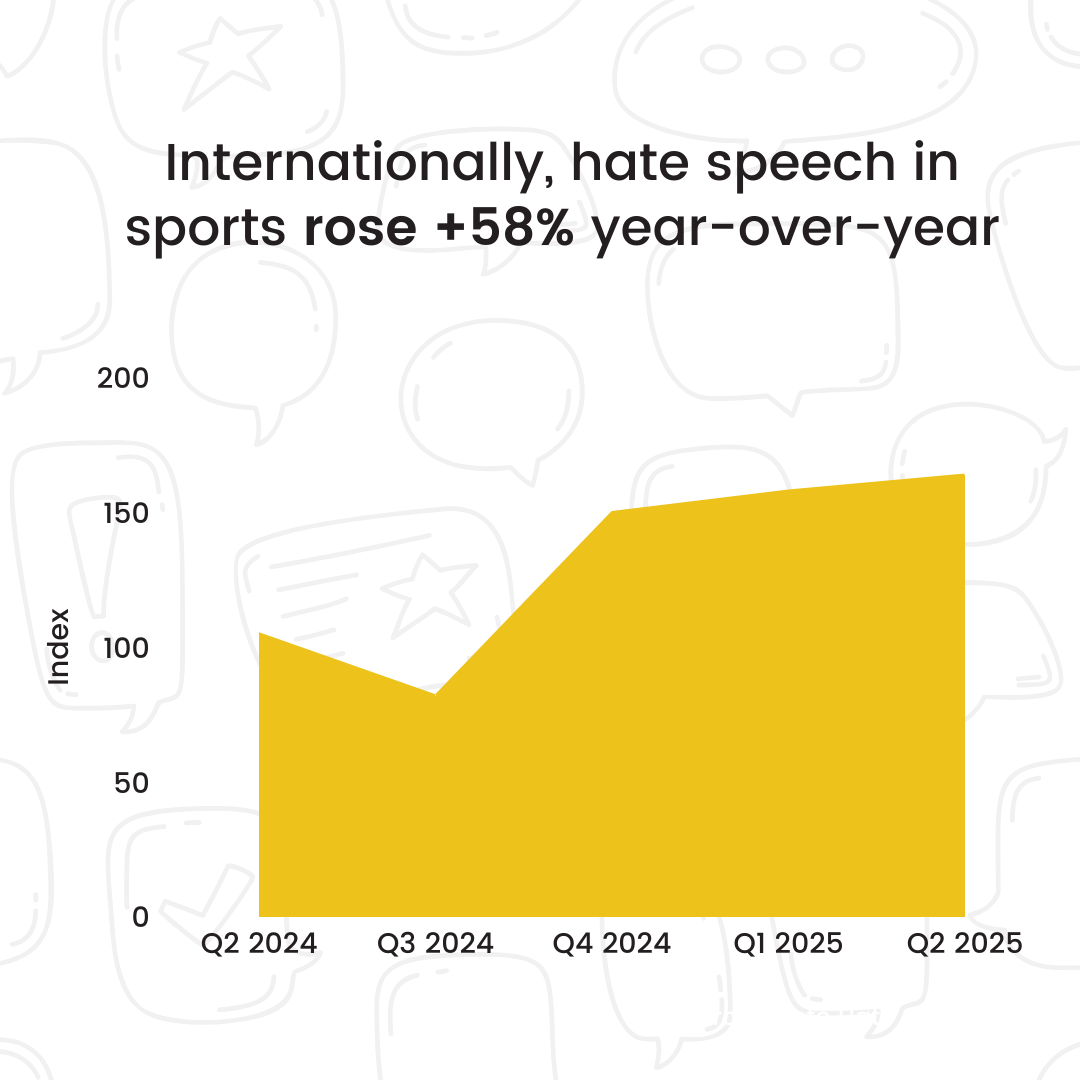
The numbers confirm what athletes already know. The Areto Hate Speech Index reported a 58% surge in hate speech in sports between 2024 and 2025 across North America, Europe, Australia, and New Zealand. Women's sports attract especially high levels of abuse. World Rugby found women players are 30% more likely than men to be targeted. Athletes competing in the Women's Rugby World Cup 2025 are speaking out about the online abuse they’re experiencing during the tournament; Ilona Maher and Georgia Evans, among others, took to Instagram to push back.
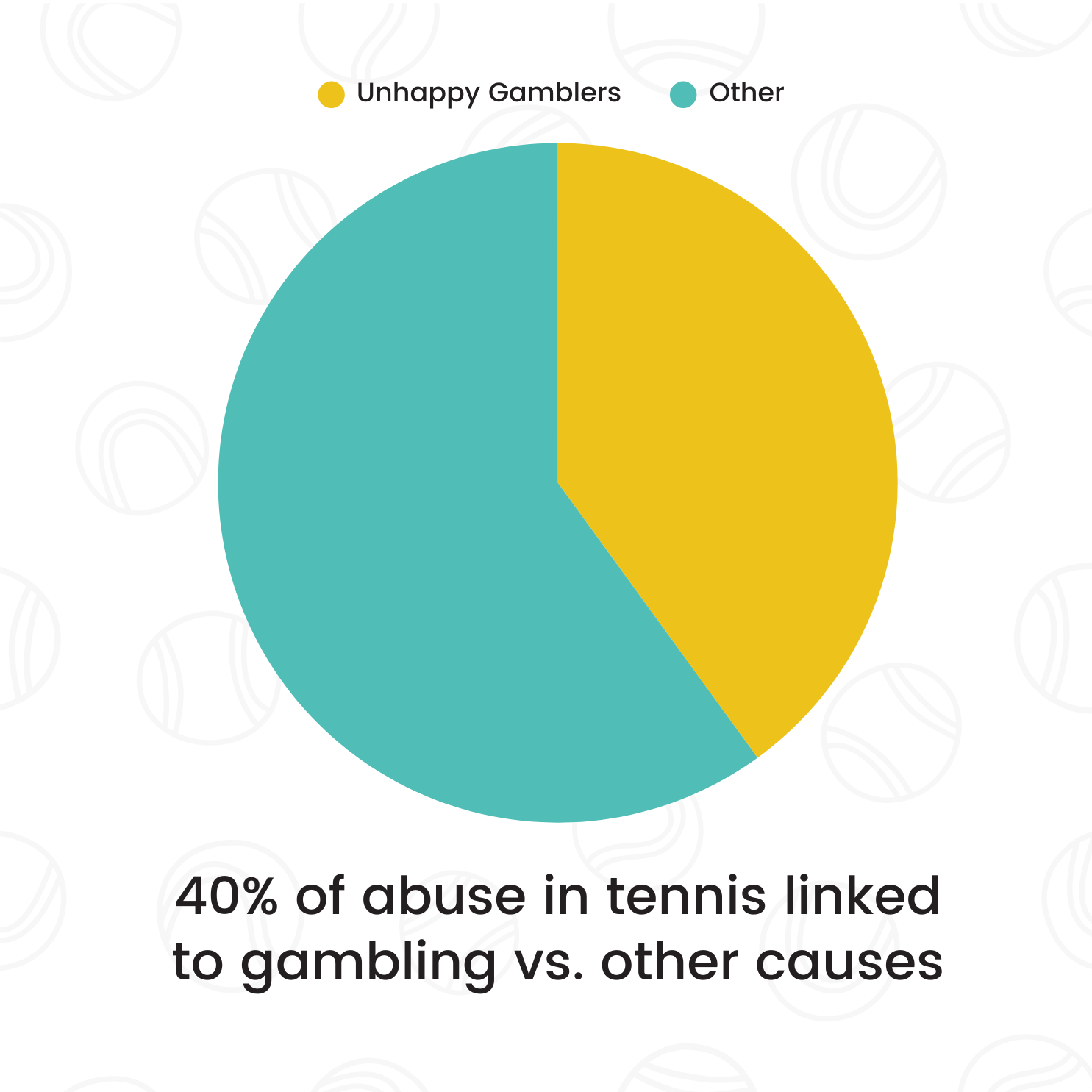
In tennis, 40% of online abuse comes from disgruntled gamblers. Similar trends appear in U.S. basketball and baseball, where sports betting has fuelled harassment. A World Athletics study during the 2024 Paris Olympics revealed sharp divides: men faced racist abuse most frequently, while women were subjected to sexual and sexist attacks, with nearly half of abusive content falling into a general "hate" category.
Tech Meets Accountability
Sports federations are responding, with technology playing a crucial role. Tennis, rugby, and football have deployed AI-driven safeguarding tools to monitor abuse in real time, sometimes partnering with law enforcement to track and prosecute offenders.
At the Paris 2024 Olympics, AI monitored online bullying and flagged abusive content. The English Football Association funds a police unit to investigate digital harassment. Spain's LaLiga created a social media monitoring tool to tackle racism in grassroots football, which has since been transferred to one of Spain’s government ministries. UEFA has monitored online abuse during major football competitions aligned with its Football Sustainability Strategy 2030.
These efforts mark progress, yet crucial gaps remain. For example, the Communication & Sport Journal (2025) found women athletes in football, rugby, and cricket in the UK still lack adequate protection from online abuse.
Beyond Protection: Building Belonging

Sports federations are responding, with technology playing a crucial role. Tennis, rugby, and football have deployed AI-driven safeguarding tools to monitor abuse in real time, sometimes partnering with law enforcement to track and prosecute offenders.
Combating online abuse isn't just damage control; it's an opportunity. Research suggests aligning diversity, equity, inclusion, and belonging efforts with ESG initiatives strengthens both fan engagement and financial outcomes.
A more inclusive sporting culture also benefits the next generation. When young fans see diverse role models thrive without harassment, they may be more likely to participate, whether recreationally or professionally, widening the grassroots talent pipeline.
Through partnerships with European and North American leagues and clubs, Areto is deploying AI-powered solutions to reduce online abuse and build safer digital communities. AI can help shoulder the monitoring burden, but it's only one piece of the puzzle. Governance frameworks, safeguarding policies, awareness raising, and strong partnerships with law enforcement are essential to creating systemic change. Together, we can cultivate online communities where difference is celebrated, and where belonging evolves from an aspirational concept into an authentic experience shared by athletes and fans.